

The Skincare Mistake Most People Make for Their Skin Type
Most skincare “mistakes” aren’t about using the wrong products. They’re about using the wrong approach for your skin type.
What oily skin needs will overwhelm dry skin. What dry skin loves can suffocate oily skin. And sensitive skin? It wants calm.
Consider this your gentle reset: a skin-type-first skincare guide that supports your barrier instead of treating your face like a science fair.

Quick Takeaways
- Your skin type is the strategy, not for trends.
- The most common mistake is copying routines made for someone else’s skin type.
- Keep it simple: Cleanse → Hydrate → Seal (three steps are enough).
- Add a serum only when your skin feels stable: no tightness, stinging, flaking, or sudden redness.
Healthy skin isn’t louder. It’s quieter. Softer. More consistent.
What It Is & Why It Matters
The skincare mistake most people make is treating their skin type like a trend, then building a routine that over-corrects — stripping oily skin until it rebounds with more oil and congestion, “hydrating” dry skin without properly sealing it so the tightness returns, tackling combination skin like two separate faces until it feels unbalanced, pushing normal skin into unnecessary experimentation, and forcing sensitive skin into actives when it’s really asking for calm.
It matters even more in winter because cold weather isn’t just cold — it’s low humidity, indoor heating, wind, and hotter showers, all of which chip away at your skin barrier. Once that barrier is stressed, products that never used to sting suddenly do, oil production turns erratic, texture looks rougher, redness pops up, and breakouts linger — meaning your routine might be “good” on paper, but completely wrong for both your skin type and the season.

Why Koreans go back to basics when skin acts up
In Korea, even the most skincare-literate consumers tend to do the same thing when their skin starts misbehaving:
They simplify.
It’s why barrier creams, calming toners, and “skin stabilisers” consistently sell well — not because they’re exciting, but because they work. The goal is stable skin that behaves under makeup, in polluted city air, and through temperature swings.
Cleanse → Hydrate → Seal
Three steps are enough. Add more only when your skin is stable.
Think of it as skincare’s equivalent of eating regularly and sleeping: not glamorous, but everything falls apart without it.
Skincare by skin type: what actually works
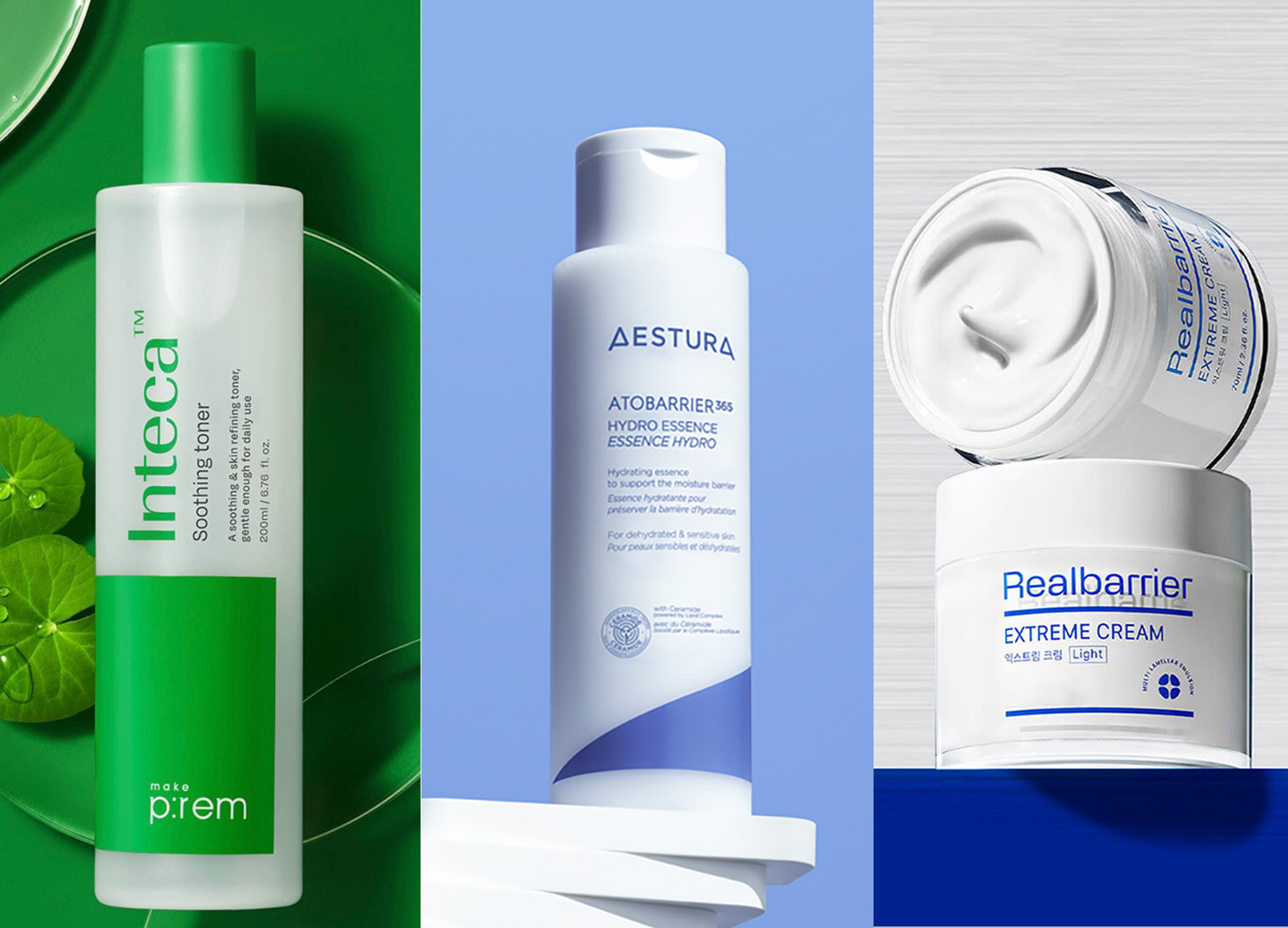
The Real K-Beauty Test: Why Koreans Buy It (And Keep Buying It)
Korean consumers tend to repurchase products that help keep their skin stable, as stable skin performs well under SPF, makeup, harsh weather, and long days. This is why certain categories remain consistently popular: soothing toners, light hydration layers, barrier creams that don’t feel suffocating, and simple routines that can be repeated without unexpected reactions.
It’s not about doing more—it’s about maintaining skin that stays calm and looks good every day.
IF You Take One Thing Away
The most common skincare mistake isn’t picking the “wrong” product, it’s using the wrong approach for your skin type, then overcompensating when winter makes things worse.
The best place to start is simple: Cleanse → Hydrate → Seal. These three steps are enough. Only add more when your skin is stable. Healthy skin isn’t louder—it’s quieter, softer, and more consistent.
Products To Try


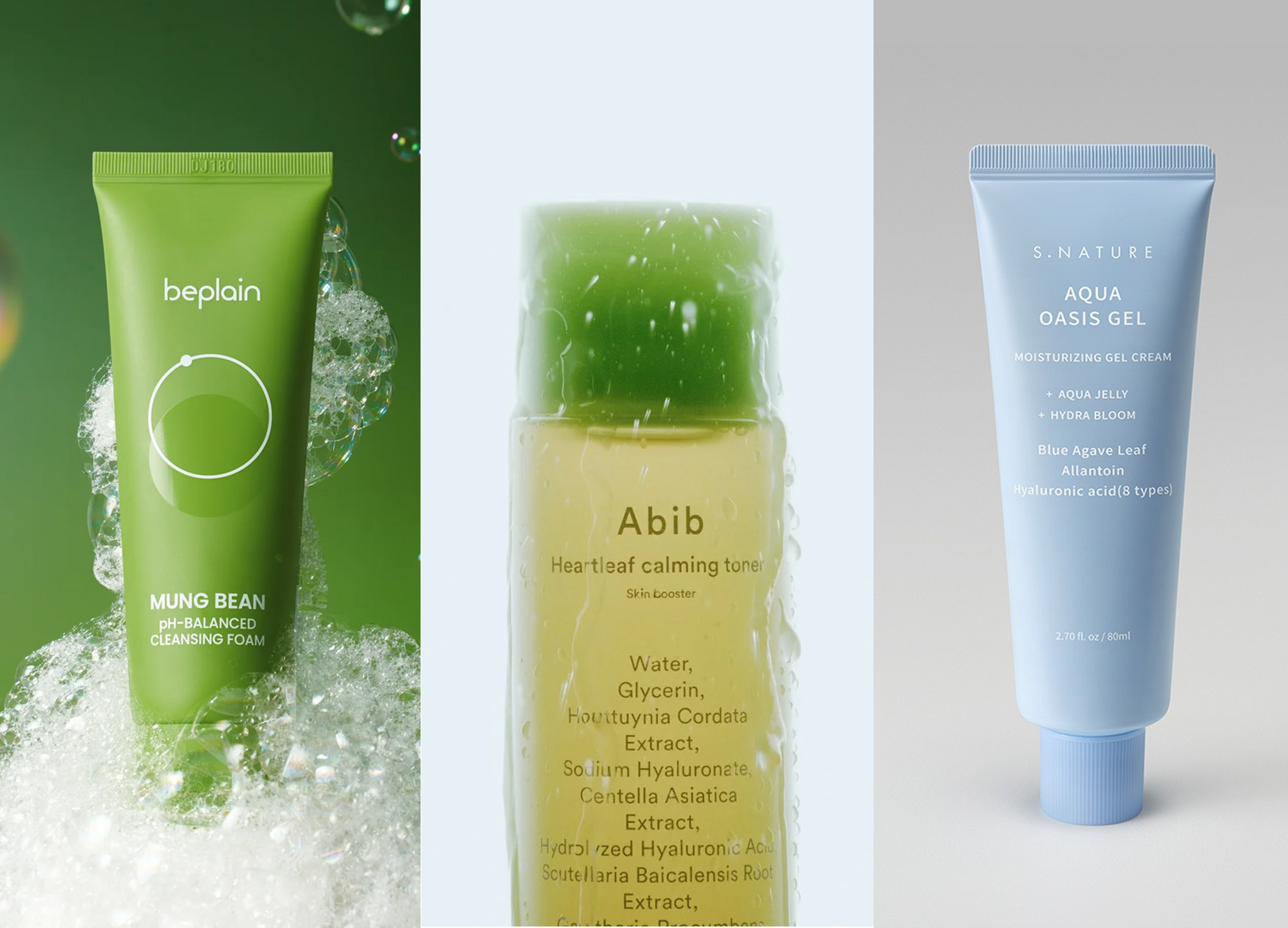
Mung Bean pH-Balanced Cleansing Foam
For balanced, deep pore cleansing
Choose your option


Heartleaf Calming Toner Skin Booster
For calming stressed skin
Choose your option


Aqua Oasis Gel Moisturizing Gel Cream
For water-burst gel moisture revitalization
Choose your option


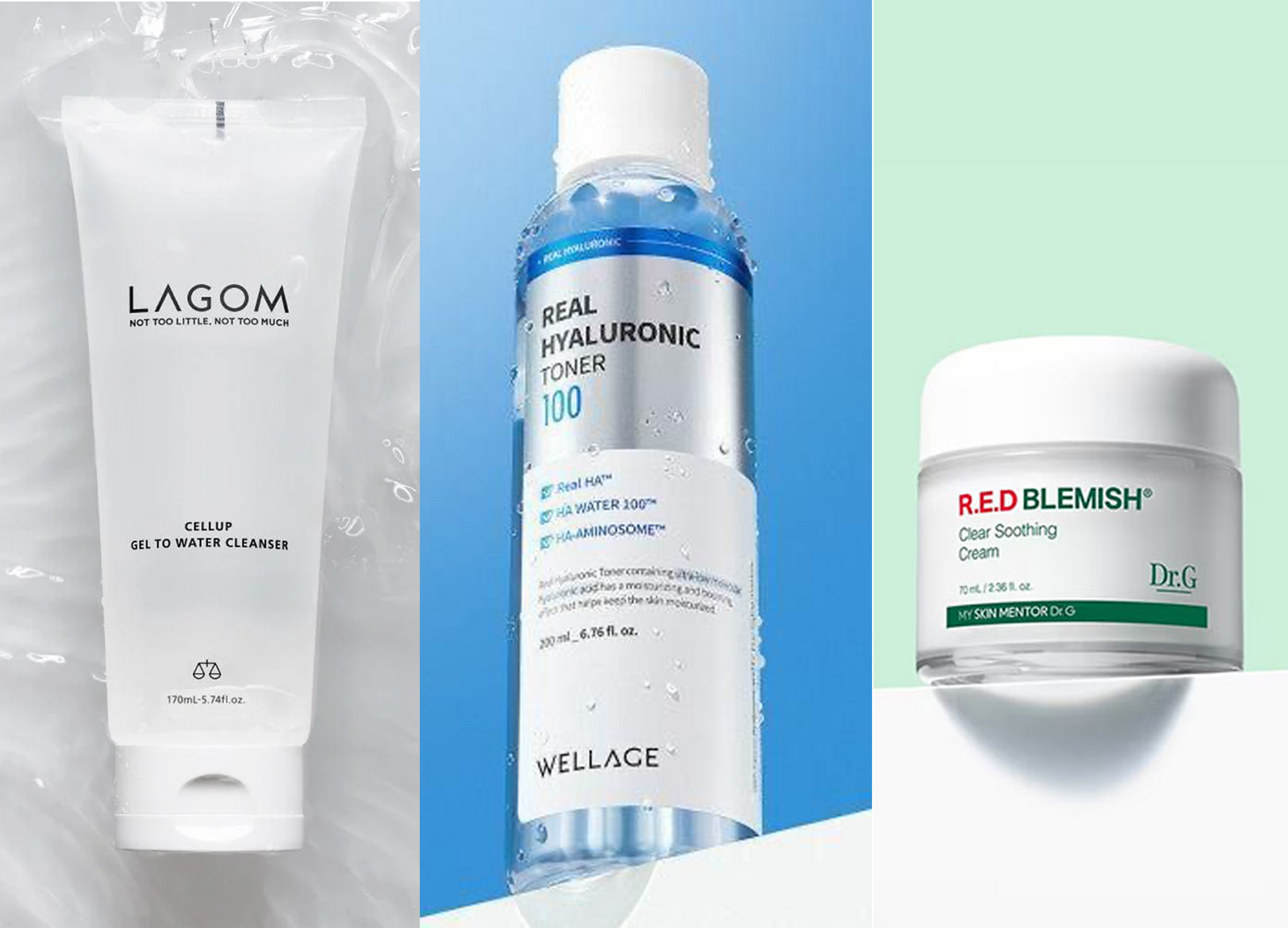
Real Hyaluronic 100 Toner
For inner-dryness deep hydration fix
Choose your option


R.E.D. Blemish Clear Soothing Cream
For sensitive blemish-prone calming
Choose your option


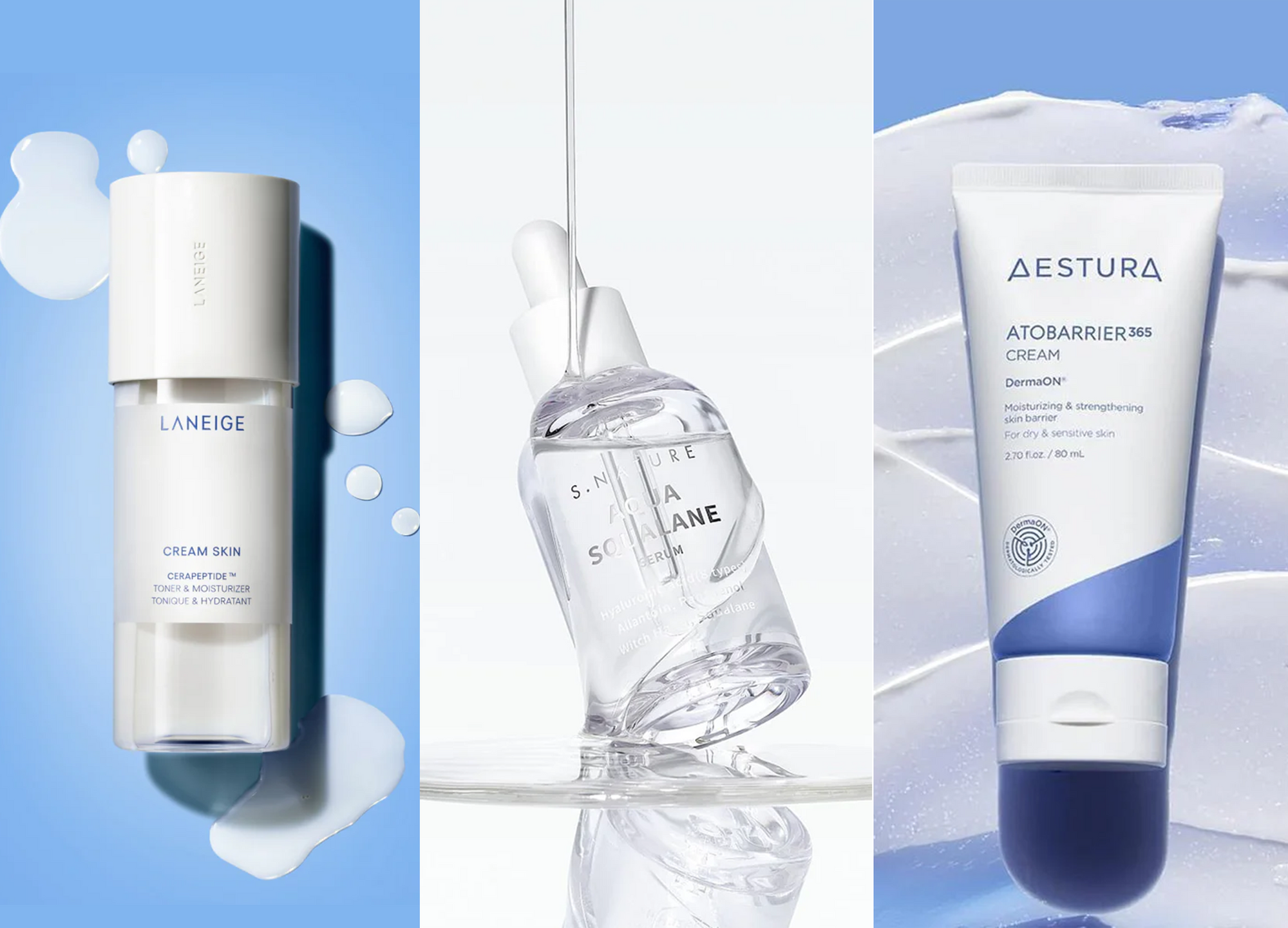
Cream Skin Zincpep™ Toner & Gel Moisturizer
For matte-glow toner and moisturizer in one
Choose your option


Aqua Squalane Serum
For luminous barrier building
Choose your option


ATOBARRIER 365 CREAM
For barrier rebuilding and moisture
Choose your option


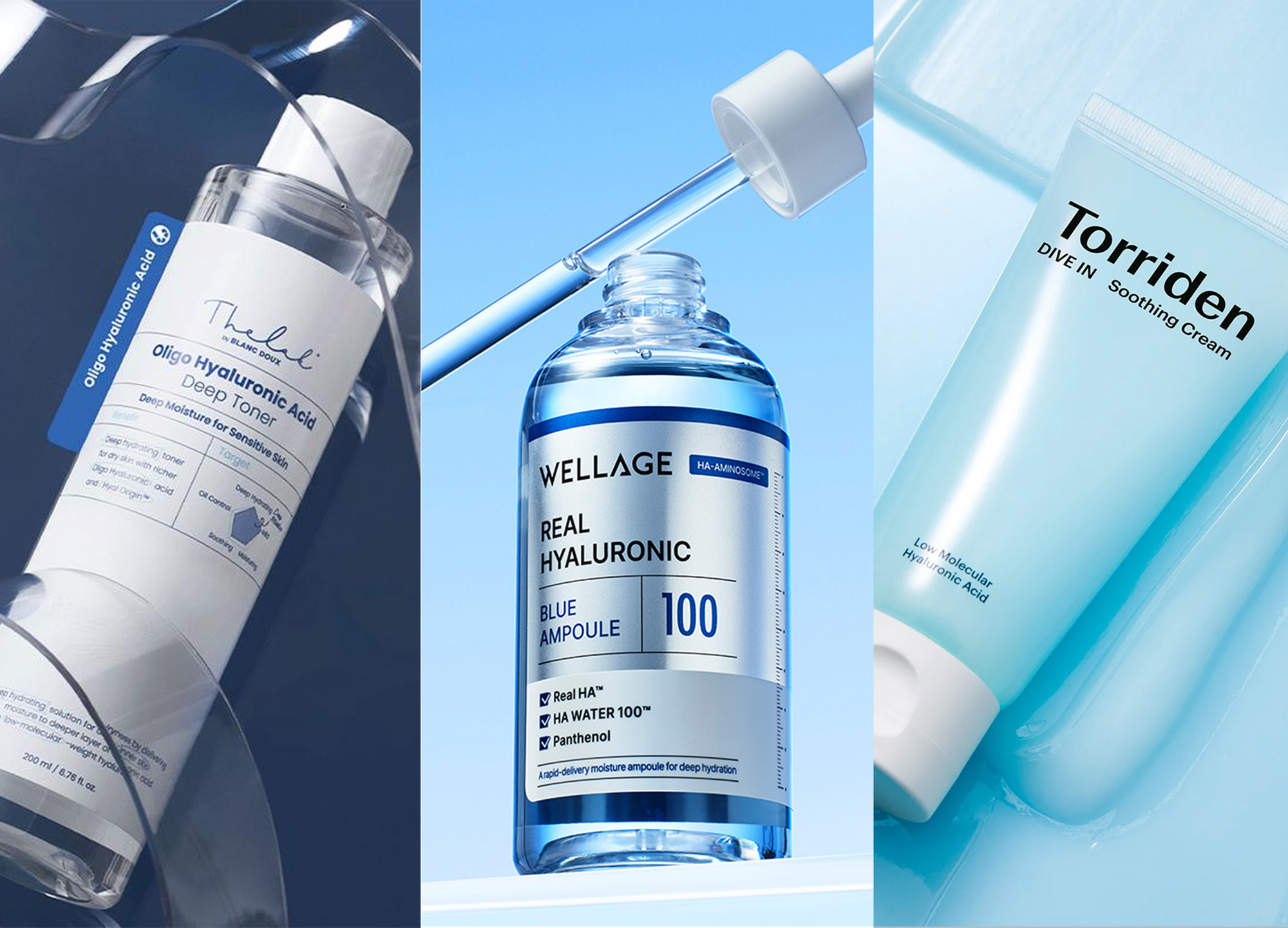
Oligo Hyaluronic Acid Deep Toner
For deep-layer skin hydration
Choose your option
Q&A
What’s the best skincare routine for my skin type?
What’s the best skincare routine for my skin type?
For most skin types, the best routine is the simplest: Cleanse → Hydrate → Seal, plus SPF in the morning. Choose textures and ingredients based on your skin type (oily, dry, combination, normal, sensitive).
How do I know my skin type?
How do I know my skin type?
Watch your skin for a week without new products.
- Oily: shine builds quickly, pores clog easily
- Dry: tight, flaky, uncomfortable after cleansing
- Combination: oily T-zone + drier cheeks
- Normal: mostly balanced, few flare-ups
- Sensitive: stings, flushes, reacts easily to change
Why is my oily skin tight and shiny at the same time?
Why is my oily skin tight and shiny at the same time?
That’s often dehydration. You can produce oil and still lack water in the skin. Harsh cleansing and too many actives can trigger this.
Do I need a toner for my skin type?
Do I need a toner for my skin type?
Not mandatory, but a hydrating toner/essence can make routines more comfortable — especially in winter or if you’re dehydrated/sensitive.
What ingredients are best for oily skin?
What ingredients are best for oily skin?
Look for low–mid % niacinamide, centella, and heartleaf for balance and calm, plus lightweight hydration.
What ingredients are best for dry skin?
What ingredients are best for dry skin?
Look for ceramides, squalane, and richer creams to support barrier repair and reduce moisture loss.
What’s the best skincare for sensitive skin?
What’s the best skincare for sensitive skin?
Simple, fragrance-minimal routines with centella, panthenol, and ceramides. Prioritise calm and barrier support over actives.
How many skincare steps do I actually need?
How many skincare steps do I actually need?
Three is enough for most people: cleanse, hydrate, moisturise. Add serums/actives only when skin is stable and you have a specific goal.
Should I change my skincare routine in winter?
Should I change my skincare routine in winter?
Often, yes. Winter usually calls for gentler cleansing and more barrier support — even for oily and combination skin.


