

Post-Procedure Skincare: What Korean Dermatologists Recommend
The smartest post-treatment routine isn’t “more skincare” — it’s less, done in the right order: cleanse gently → calm inflammation → rebuild the barrier → protect with SPF.

Quick Takeaways
- Less Is Healing: Your skin is vulnerable in the first 48–72 hours. Push it too hard, and you risk turning minor irritation into long-lasting redness, flakiness, or pigment spots.
- What to Avoid: Skip acids (AHA/BHA/PHA/LHA), retinoids, scrubs, potent vitamin C, or anything that causes tingling. These can delay recovery and deepen damage.
- What to Prioritize: Stick to barrier-building hydrators like glycerin, panthenol, ceramides, and squalane. Then double down on SPF—unprotected sun exposure post-treatment is a fast track to pigmentation issues.
- Not All “Calming” Is Safe: Some K-beauty products labeled “soothing” may still contain low-level exfoliants. Always check ingredients, not just marketing claims.
Why The First 72 Hours Matter So Much
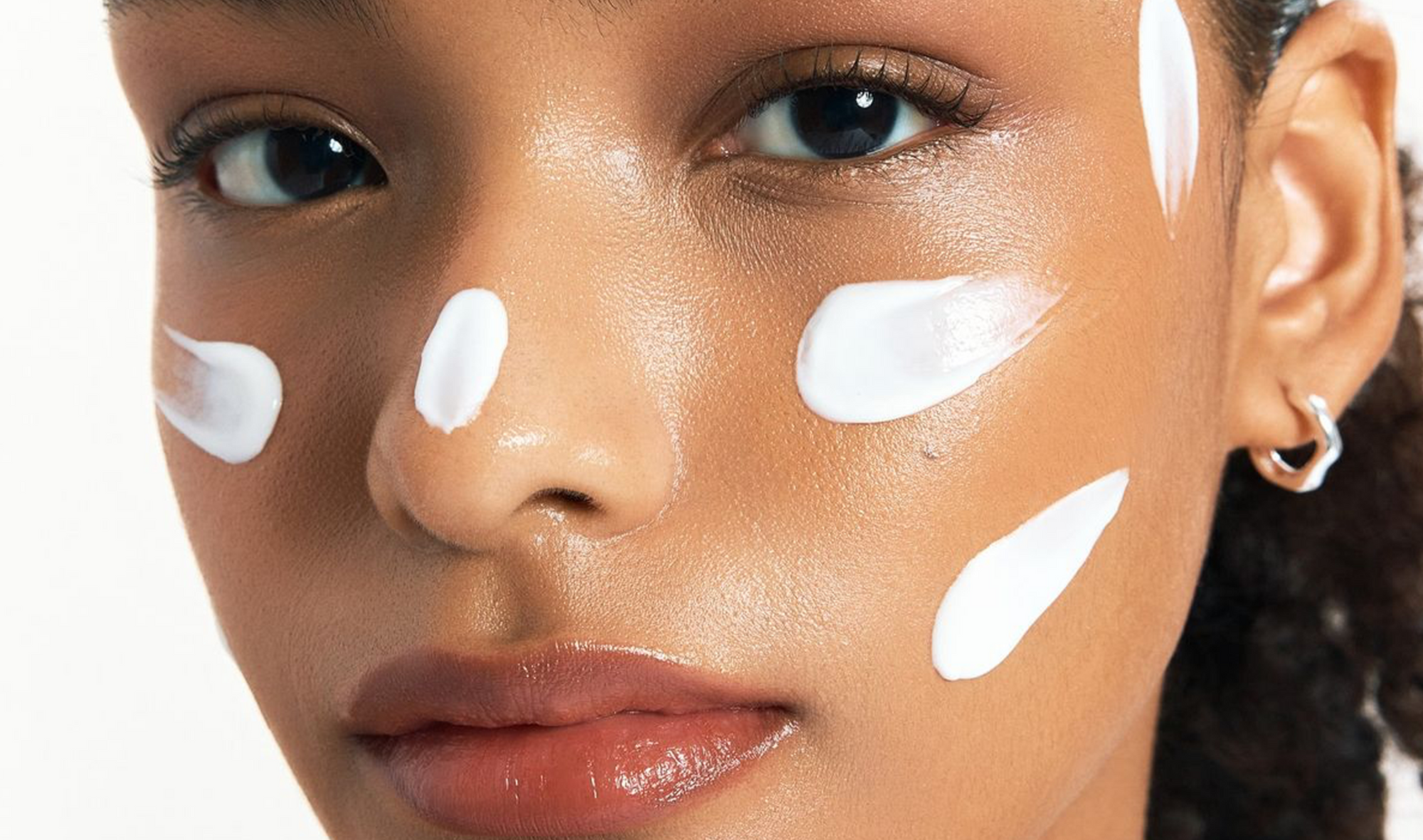
After lasers, microneedling, peels, RF, even “just” extractions, your skin behaves less like normal skin and more like a healing wound. The barrier is compromised, inflammation is higher, and nerve endings are feeling dramatic.
Two things tend to decide whether you get a smooth recovery or a long, sulky rebound:
- Inflammation control (because inflammation is what feeds post-inflammatory hyperpigmentation and prolonged redness).
- Barrier repair + UV protection (because new, vulnerable skin + UV is a recipe for stubborn pigment).
Korean clinics are famously strict about this. The vibe is not “let’s blast it with actives”. It’s “keep it boring, keep it calm, heal beautifully”.
What Korean Dermatologists Typically Tell Patients To Avoid Right After Treatment
If it exfoliates, tingles, or “brightens aggressively”, it can wait.
For the first 48–72 hours (often longer for stronger procedures), avoid:
- Acids: AHA/BHA/PHA (and LHA too)
- Retinoids: retinol, tretinoin, retinal, adapalene
- Strong vitamin C (especially low-pH L-ascorbic acid)
- Scrubs / cleansing brushes / peeling gels
- Fragrance-heavy or essential oil-heavy formulas if you’re reactive
This “less is more” approach is consistent with mainstream post-procedure guidance: protecting the barrier and reducing irritation lowers the risk of prolonged inflammation and pigment issues.
The Recovery Formula: Cleanse Gently → Calm → Rebuild → SPF
The Real K-Beauty Test: why Koreans actually follow these recommendations?
In Korea, post-procedure care is treated like an extension of the treatment itself. The clinic does the controlled damage; your job is to stop your skincare from doing freelance damage afterwards.
That’s why Korean consumers repurchase:
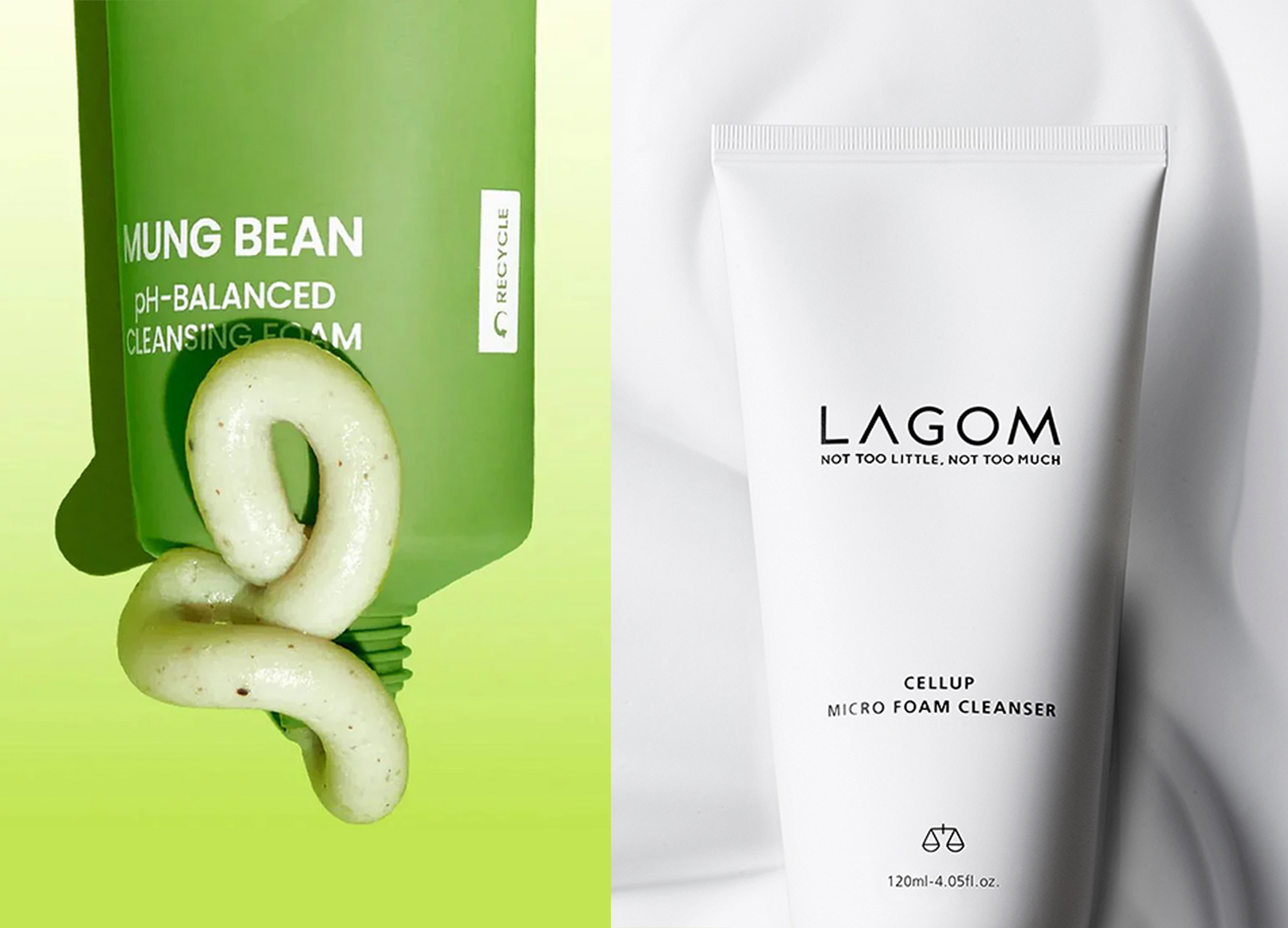
- low-irritation cleansers
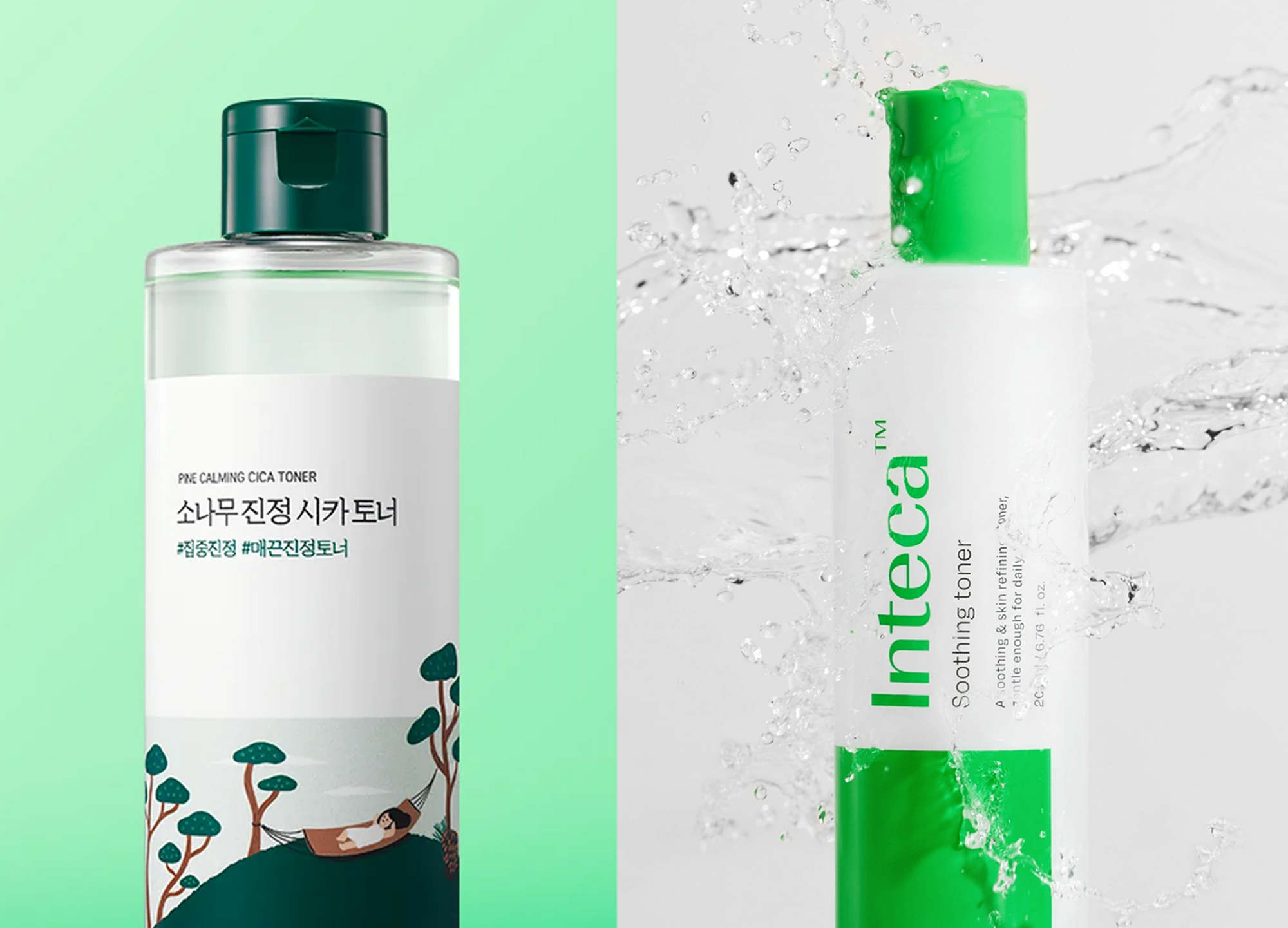
- cica / heartleaf soothing products (because inflammation is the enemy of “clear”)
- ceramide + panthenol barrier creams (because hydration is how you avoid rebound sensitivity)
- high-protection SPF (because pigment is easier to prevent than erase)
It’s not trendy. It’s just… practical.
Final Verdict
If you take one thing from this: recovery skincare is not the moment to be brave. The first 72 hours are for calm, comfort, and barrier support — then, and only then, you can slowly reintroduce your usual actives.
And one very editor-y note: if a “calming” product contains PHA/LHA or a bunch of essential oils, it may still be lovely — just not on freshly treated skin.
Products To Try


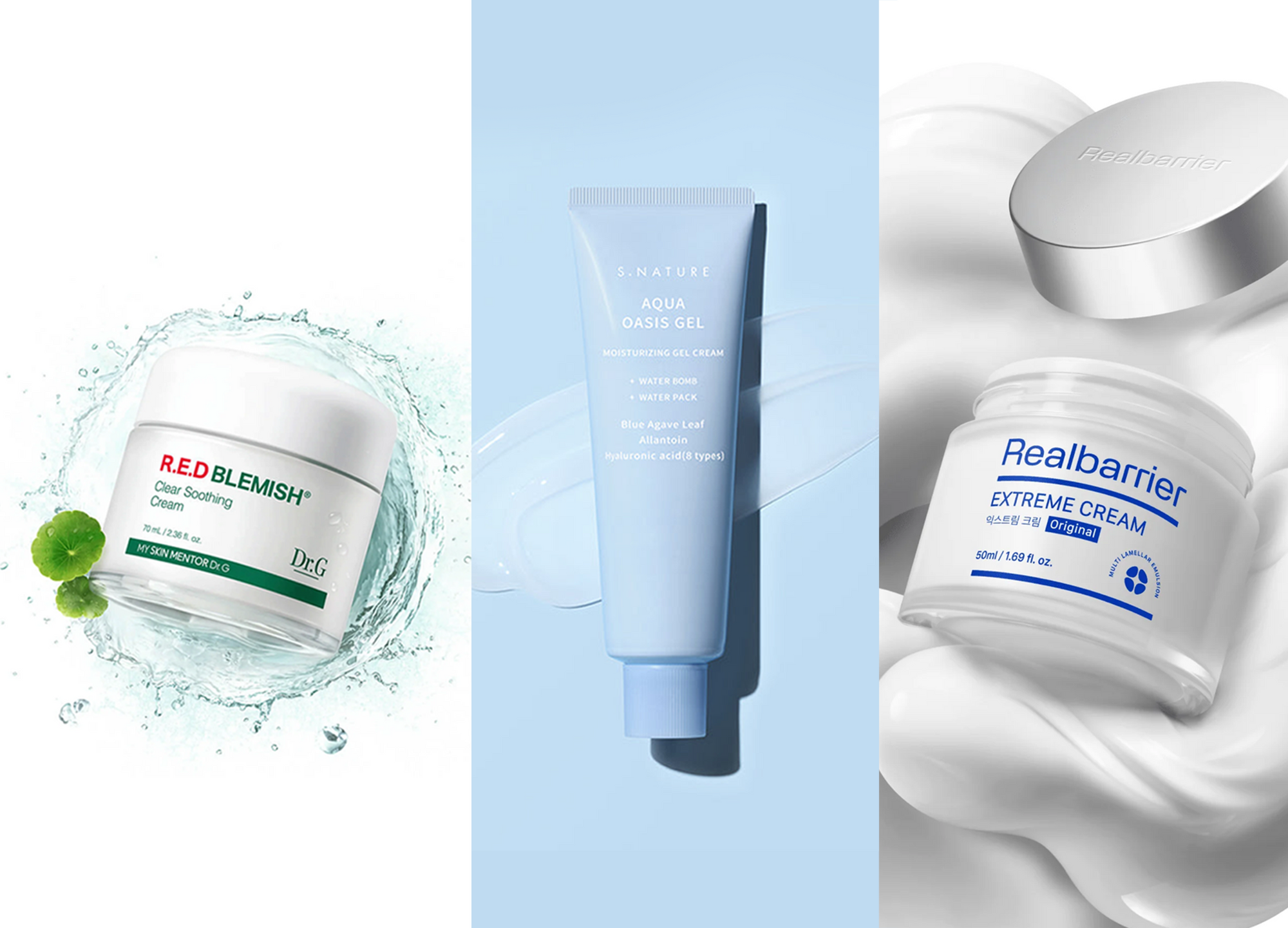
R.E.D. Blemish Clear Soothing Cream
For sensitive blemish-prone calming
Choose your option


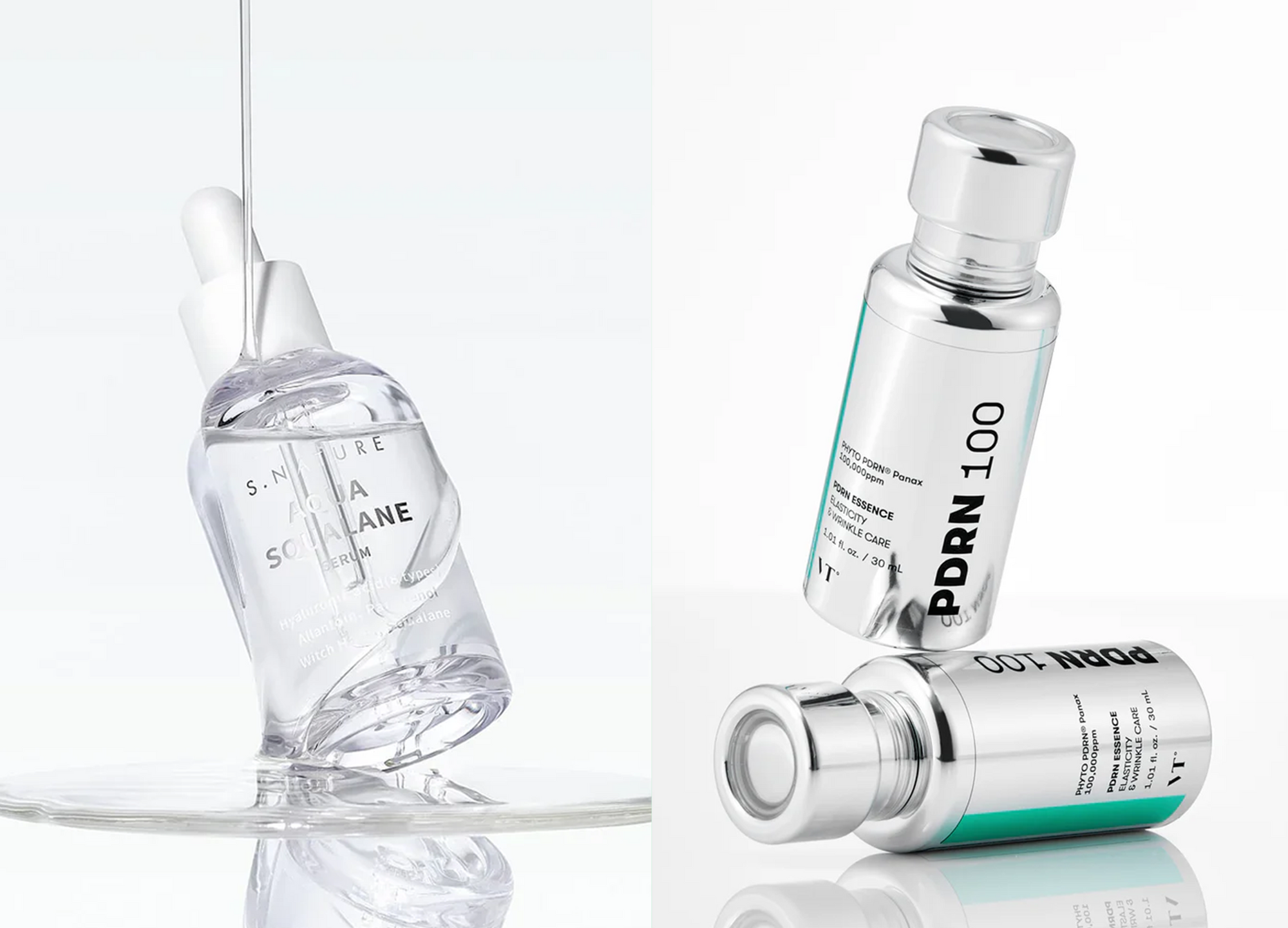
PDRN Essence 100
For deep molecular skin repair
Choose your option


Mung Bean pH-Balanced Cleansing Foam
For balanced, deep pore cleansing
Choose your option


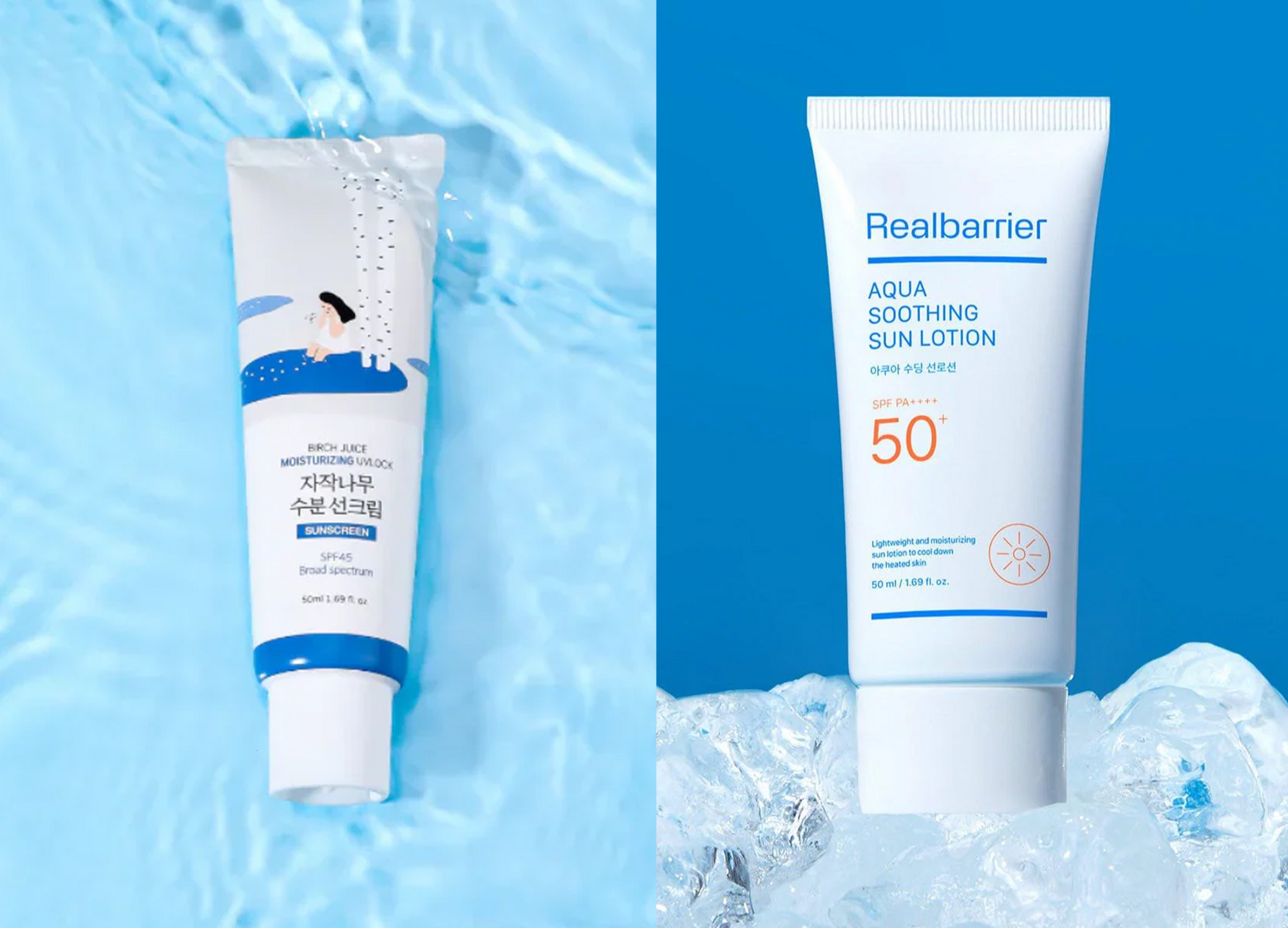
Birch Moisturizing Sunscreen UVLock SPF 50+ Broad Spectrum
For moisture-locked daily SPF
Choose your option


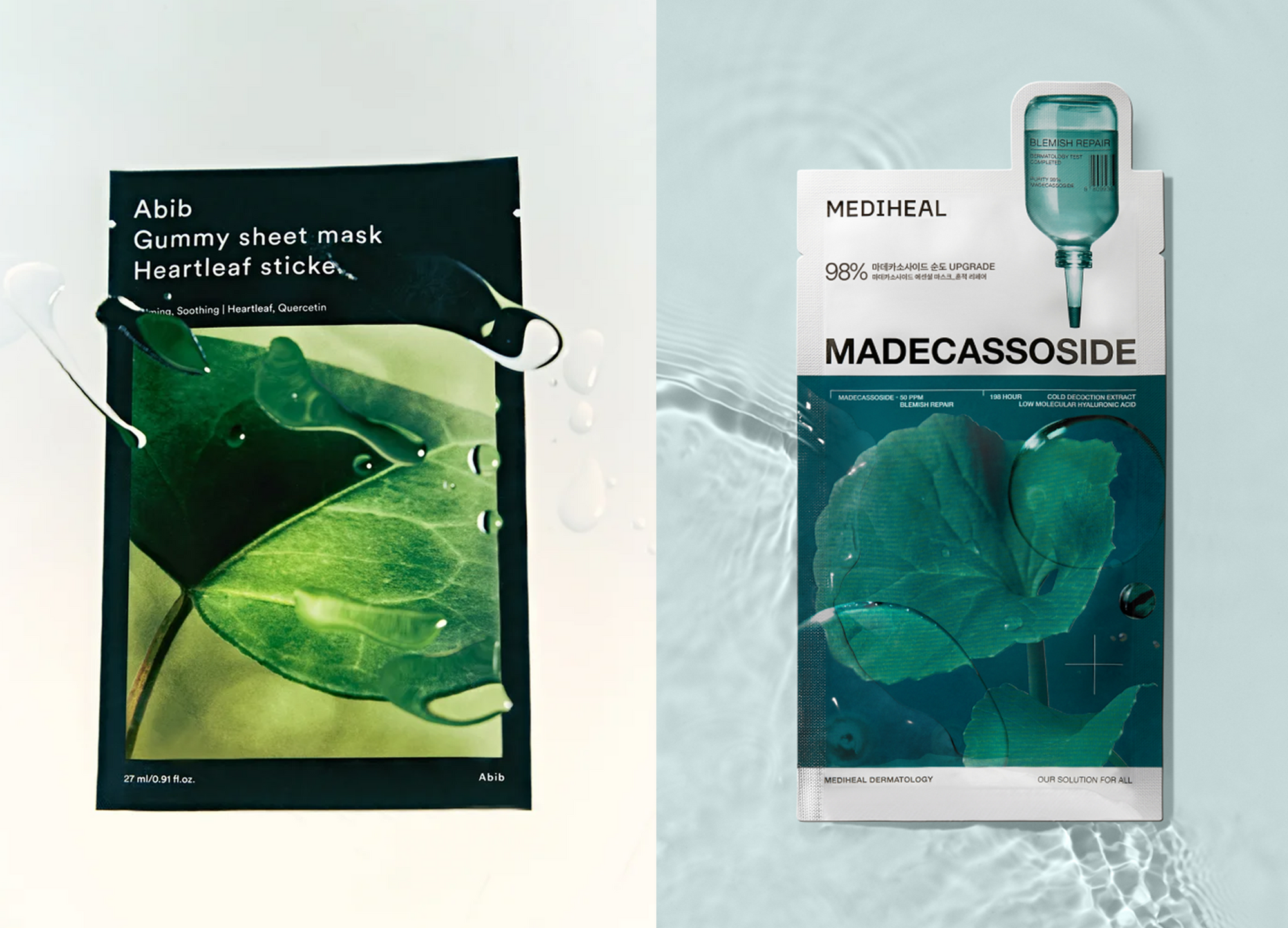
Madecassoside Essential Mask Blemish Repair
For blemish calming and repair
Choose your option


Pine Calming Cica Toner
For "angry" skin instant relief
Choose your option


Inteca Soothing Toner
For fast-track barrier calming prep
Choose your option


Aqua Squalane Serum
For luminous barrier building
Choose your option


Aqua Oasis Gel Moisturizing Gel Cream
For water-burst gel moisture revitalization
Choose your option


Gummy Sheet Mask Heartleaf Sticker
For emergency calming and relief
Choose your option
Q&A
How soon can I use retinol after a skin treatment?
How soon can I use retinol after a skin treatment?
Usually once peeling, stinging, and visible irritation have fully settled — often around 5–7+ days, sometimes longer depending on the procedure. Always follow your clinician’s timeline (especially after strong peels or ablative lasers).
Can I use vitamin C after laser or microneedling?
Can I use vitamin C after laser or microneedling?
Not in the first couple of days if your skin is sensitive — strong vitamin C can sting and amplify irritation. Reintroduce when your barrier feels normal again, and start gently.
Do I really need sunscreen if I’m indoors?
Do I really need sunscreen if I’m indoors?
If you’re near windows or daylight, yes. Sun protection is consistently recommended after resurfacing procedures, and it matters for pigmentation risk.
Are sheet masks good after a treatment?
Are sheet masks good after a treatment?
They can be — as cooling comfort. Choose masks without exfoliating acids or strong fragrance in the early phase. (Hydration good. “Actives” not the vibe.)
What ingredients should I prioritise for recovery?
What ingredients should I prioritise for recovery?
Glycerin, panthenol (B5), allantoin, ceramides, squalane, hyaluronic acid, and soothing botanicals like centella.


