Skip to content

Curated K-Beauty. Only Rated 4+ in Korea.

The 3 Most Famous Skincare Ingredients… But What Do They Actually Do?

Hyaluronic acid hydrates, niacinamide corrects and strengthens, and peptides support firmer-looking skin — but they only work well when you use them the right way (and stop expecting them to behave like miracles).

K-Beauty Real Gems

Quick Takeaways

  • Hyaluronic acid (HA) is a humectant — it helps your skin hold onto water, but it needs a moisturiser on top to feel properly comfortable.
  • Niacinamide is a barrier-loving multitasker: brightening, oil-balancing, calming — just don’t overdo the percentage if you’re sensitive.
  • Peptides are “skin messaging” ingredients with promising (but peptide-dependent) evidence — they’re great for people who want gentle firming support.
  • Layering is simple: thin → thick, then SPF in the morning. HA goes early, peptides usually sit nicely in serum/cream steps, and niacinamide can slot in almost anywhere.
K-Beauty Real Gems

Everyone Talks About “Hero Ingredients”. Here’s The Boring Truth.

Most “hero” ingredients are just tools. Good ones, yes — but still tools. The results come down to three things:

  1. The formula (not the ingredient buzzword on the front)
  2. How you use it (order, frequency, and what you sandwich it with)
  3. Whether it suits your skin (because your face is not a universal test subject)

Below, the three most talked-about ingredients — explained like you’re a real person with a real bathroom shelf.
K-Beauty Real Gems
K-Beauty Real Gems
K-Beauty Real Gems
K-Beauty Real Gems
K-Beauty Real Gems
K-Beauty Real Gems

Hyaluronic Acid (HA)

What It Is 

HA is a sugar molecule your skin naturally contains. In skincare, it mainly works as a humectant— helping draw water into the upper layers of skin and hold onto it.

Where It Comes From

Most skincare HA is made via biofermentation(lab-made, not extracted from anything questionable).

Why It Became Famous

It gives that immediate plump, bouncy look — especially when skin is dehydrated — and it’s easy to add into everything from toners and serums to creams and cushions.

What It Actually Does

Boosts hydration(especially short-term) and smooths the skin’s surface temporarily plumps fine dehydration lines(not the same as erasing wrinkles)

  • Works best when it’s not solo: HA + moisturizer = proper comfort

Hyaluronic Acid (HA)

How To Use It (So It Doesn’t Feel Pointless)

  • Apply after cleansing, before creams/oils.
  • Follow with a moisturiser to seal in the hydration (this is where people go wrong).
  • You can apply on slightly damp skin, but you don’t have to — the “must be damp or it will suck moisture out of your face” thing is overplayed. If damp application feels nicer and reduces tackiness, do it.

Best For

Tight, thirsty, dull, dehydrated skin — including oily skin that’s dehydrated (yes, it exists).

Watch-Outs

  • Sticky/pilling usually means too much product, or you didn’t top with moisturiser.
  • In very dry climates, pairing HA with a richer moisturiser is non-negotiable.

Niacinamide

What It Is 

Niacinamide is Vitamin B3 in a skin-friendly form. It’s one of the rare ingredients that genuinely does several useful things at once.

Where It Comes From

It’s a well-studied vitamin derivative used in both medicine and skincare — not a trendy extract that showed up last week.

Why It Became Famous

Because it tackles the modern “everything problem”: uneven tone, oiliness, redness, barrier stress, and post-acne marks — and it generally layers well with other ingredients.

What It Actually Does

Helps fade dark spots by reducing melanin transfer, strengthens the skin barrier (boosting ceramides).

  • Helps with redness and oil thanks to anti-inflammatory and sebum-regulating effects

Niacinamide

How To Use It Well

Start with once daily, then increase to twice daily if your skin stays calm. If you’re sensitive, go for lower-to-mid strengths first — higher percentages can irritate a small number of people. It layers easily: use it after hydrating steps(like HA) and before moisturizer.

Can You Use It With Vitamin C?

Yes. The idea that they “cancel each other out” is mostly aboutstability in the bottle over time, not mixing them on your face in real life.

Best For

Uneven tone, visible pores, oiliness, redness, irritation, post-acne marks.

Watch-Outs

Flushing or tingling can happen (often formula-dependent). If it stings or persists, stop. And don’t stack multiple niacinamide products, then blame niacinamide for being “too strong”.

Peptides

What They Are

Peptides are short chains of amino acids — basically tiny “signals” that can encourage skin to behave in certain ways (depending on the peptide).

Where They Come From

They’re typically synthetic(made for stability and performance). Different peptides do different jobs, which is why “peptides work” is both true and slightly vague.

Why They Became Famous

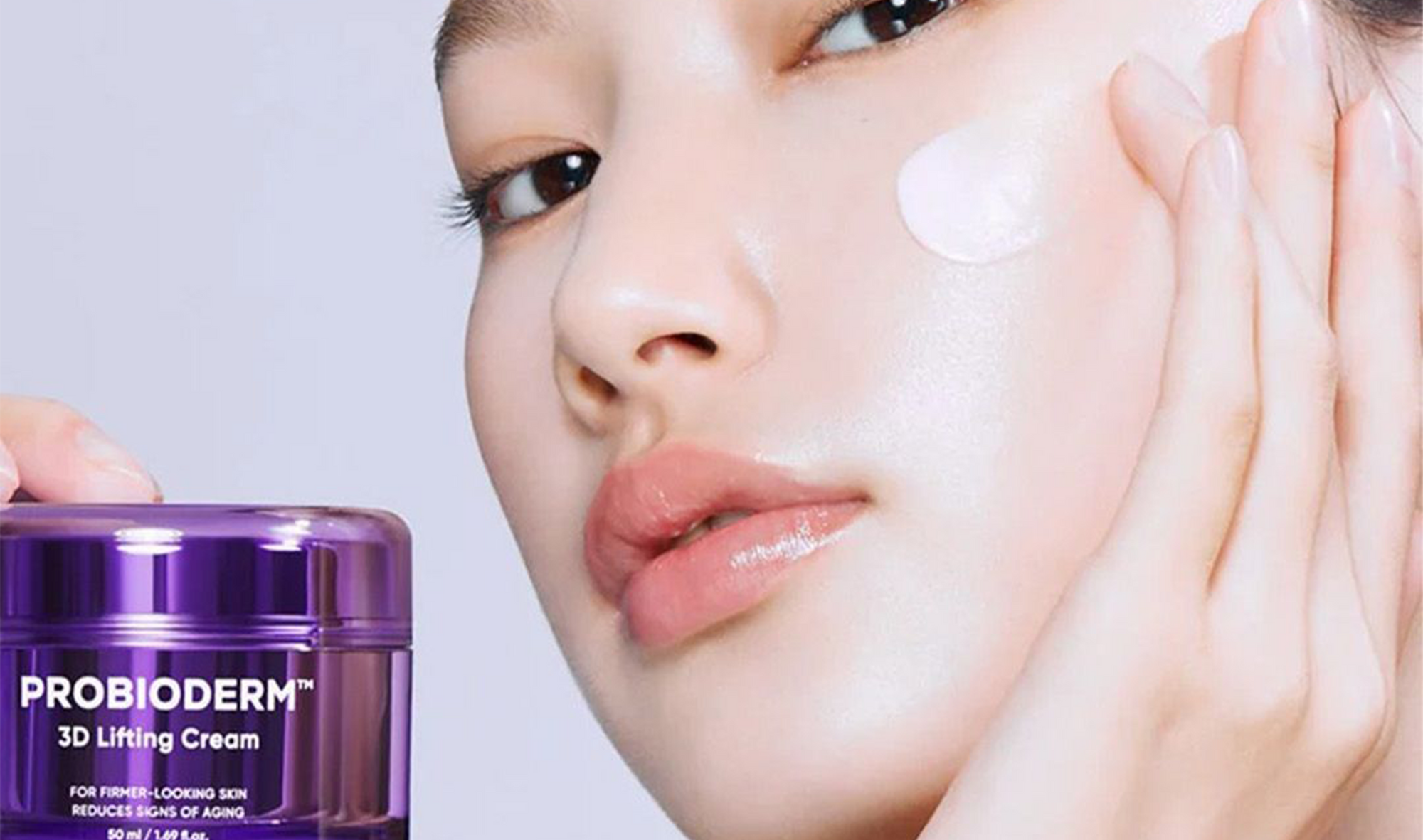
Not everyone wants retinoids, and peptides offer a gentler route to firmer-looking skin — especially in well-formulated serums and creams.

What They Actually Do (When Well-Formulated)

Some signal peptides support collagen-related activity, which can improve the look of elasticity over time

  • Certain peptides (like palmitoyl peptides & copper peptides) have evidence for improving signs of aging in controlled settings — but results depend on the specific peptide and the formula

Peptides

How To Use Them

  • Use nightly, or morning and night if your routine is simple.
  • Apply after lighter serums (like HA), before moisturiser — unless your peptide product is your moisturiser.

Best For

Early lines, loss of bounce, “my skin feels a bit less springy than it used to” energy.

Watch-Outs

Peptides are not one ingredient — they’re a category. A “peptide cream” can be brilliant or basically just a nice moisturiser with a good label. (Read the INCI. Or let someone else do it for you.)

How To Layer Them

Morning

Cleanse → Hyaluronic Acid → Niacinamide → Moisturiser → SPF

Why: HA hydrates, niacinamide improves tone/barrier, SPF protects the results (because dark spots and collagen loss are basically UV’s hobbies).

Night

Cleanse → Hyaluronic Acid → Peptides (serum or cream) → Moisturiser (if needed)

Why: peptides are a great “slow and steady” night step — especially if you’re not using retinoids.

Who These Three Ingredients Are Best For

  • Dehydrated, tight, dull skin: HA (always), niacinamide (often), peptides (optional)
  • Oily, congested, red-prone skin: niacinamide (yes), HA (yes), peptides (if you want anti-ageing support)
  • Early ageing / loss of bounce: peptides + HA, and keep niacinamide in for barrier resilience

The Real K-Beauty Test: Why Koreans Buy These

Hyaluronic Acid

Because Korean routines love layered hydration (“chok-chok” skin isn’t about grease — it’s about water + comfort). HA serums slot into almost any routine without drama.

Niacinamide

Korean shoppers love ingredients that deliver calm + clarity without making skin reactive. Niacinamide is a staple in “tone care” and “blemish care” lines because it’s reliable and routine-friendly.

Peptides

K-beauty has always loved “elasticity care” — and peptides sit neatly in that world of firming creams and “lifting” lines that sell hard at Olive Young.

Final Verdict

If you want a routine that’s not just trend-chasing, these three are famous for a reason — but they’re not interchangeable.

  • HA makes skin feel comfortable and look fresher (when you seal it in).
  • Niacinamide is your steady, sensible overachiever for tone + barrier + calm.
  • Peptides are the gentle “firming support act” — best used consistently, with realistic expectations.

Q&A