

The “Slow-Aging” K-Beauty Routine: What Koreans Actually Use in Their 40s, 50s and Beyond
Korean “slow-aging” is less about fighting time and more about keeping skin calm, hydrated and resilient so it looks firm, even and well-rested for longer.

Quick Takeaways
- In Korea, “slow-aging” (슬로우에이징) has been positioned as a mainstream category, not a niche trend.
- Mature-skin routines skew barrier-first: ceramides + cholesterol + fatty acids, plus steady hydration.
- Propolis is popular for “tired” skin glow — but it’s also a known potential allergen, so patch test matters.
- These aren’t “one weird trick” products. They’re the kind of formulas people actually repurchase because they don’t wreck the week.
If you’ve spent any time watching Korean skincare recommendations, you’ll notice something quietly unglamorous: the “grown-up” routines aren’t wild. They’re consistent. They’re comfort-led. They’re designed to prevent your skin from going into a sulk.
That’s the real logic behind slow-aging — a term that’s become formal enough in Korea to show up as an actual retail category (not just a TikTok caption), including dedicated Olive Young campaigns and category pushes.
And yes, it’s often talked about with younger consumers too — because Koreans love starting “maintenance” early — but the routines map especially well to what changes in your 40s, 50s and beyond: slower recovery, drier skin, and a barrier that gets temperamental.
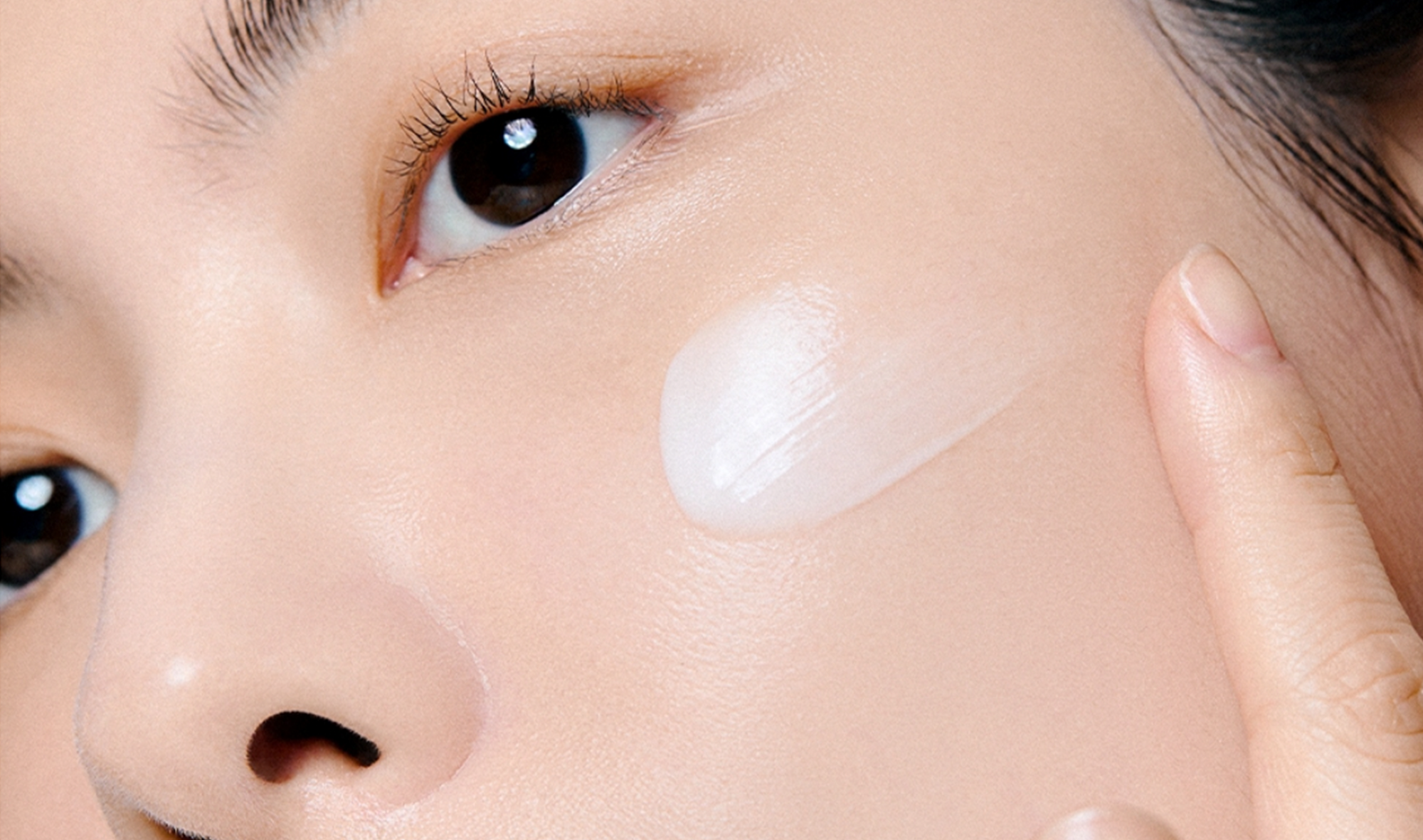
What It Is & Why It Matters
Slow-aging skincare = routines built to strengthen the barrier, maintain hydration, and reduce low-grade irritation, so skin stays bouncier-looking and more even over time.
Because the opposite approach — constant “results chasing” — often backfires on mature skin. When the barrier is compromised, everything feels harsher: actives sting more, dryness looks deeper, texture shows up faster, and makeup sits worse.
Korea’s answer tends to be: stop picking fights with your face.
The 5 “Mature Skin Needs” Koreans Shop For — And What To Use
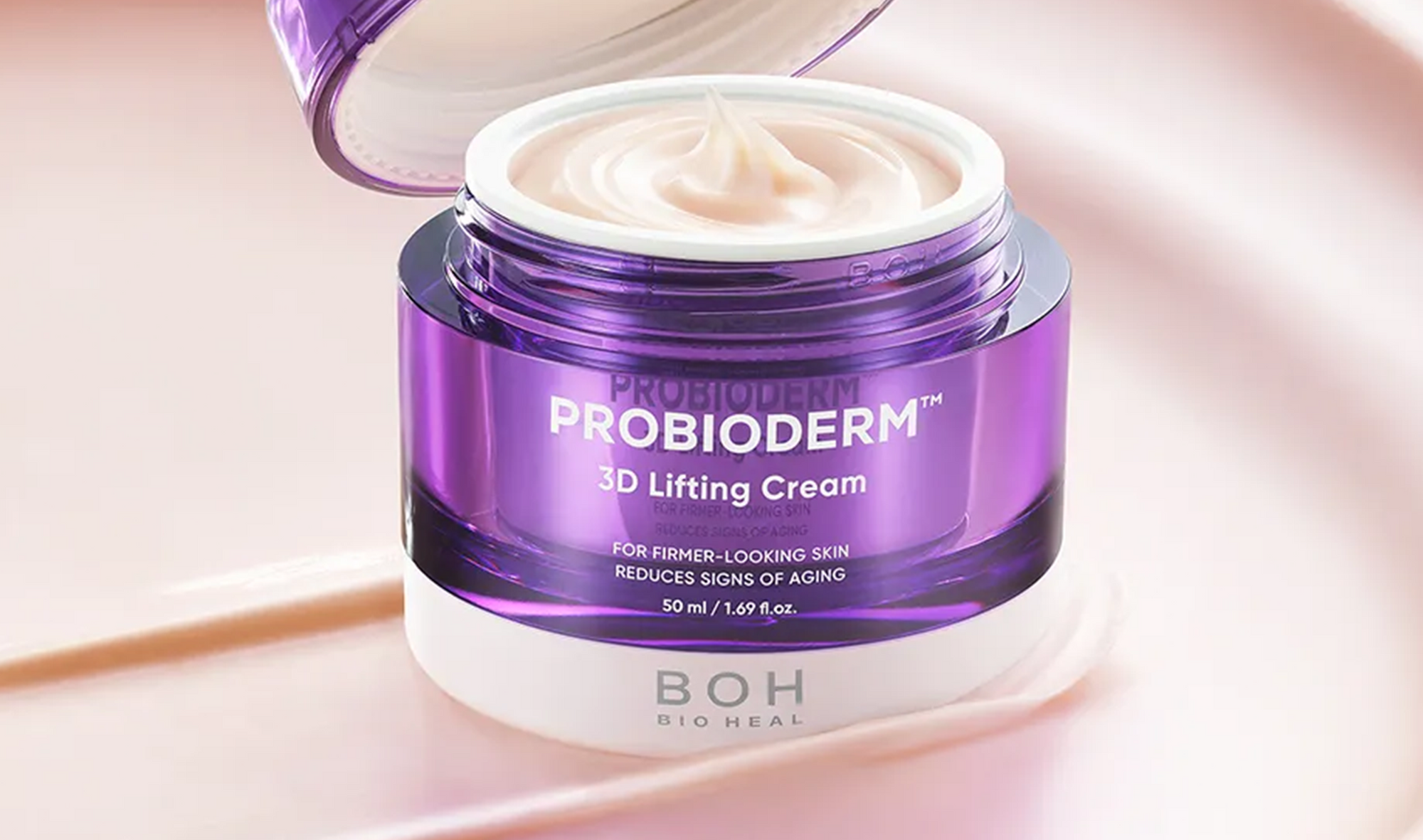
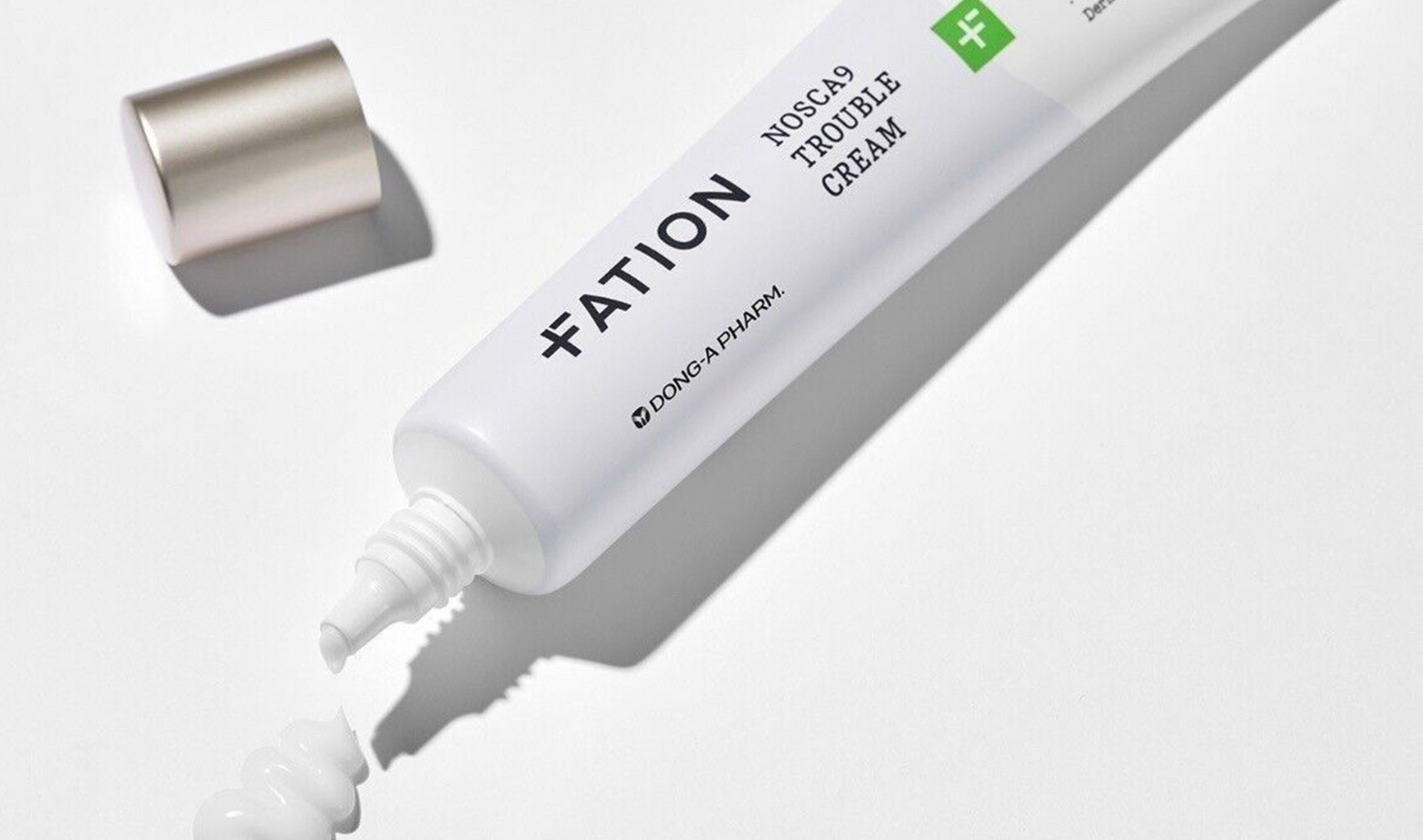
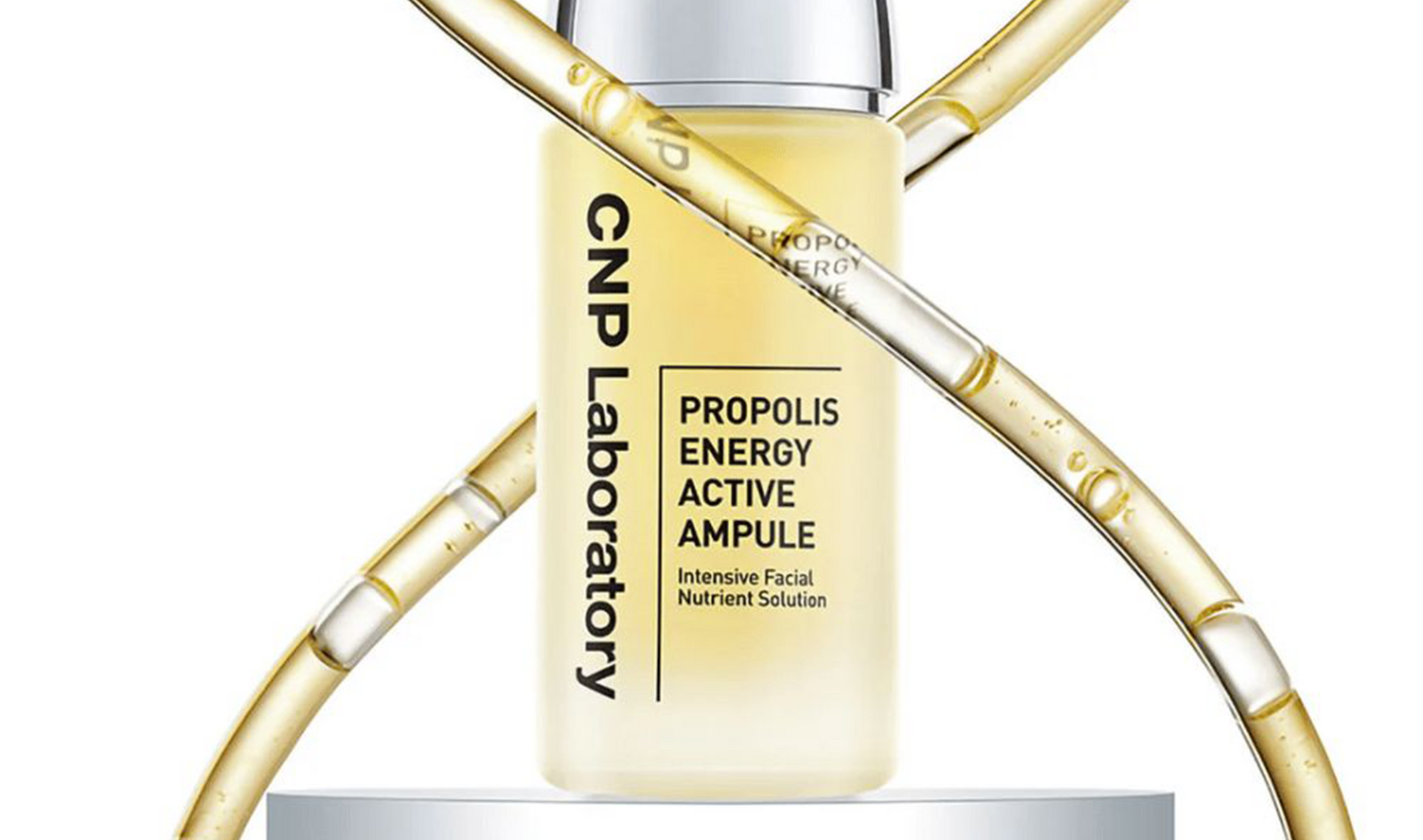
Two very Korean notes:
- You don’t need all five every day. Koreans mix and match depending on season and skin mood.
- None of this matters if you’re not wearing sunscreen consistently — and Korean routines assume you are.
Who It’s Best For
- Dry-to-normal skin that’s started feeling thinner, tighter or more reactive
- Anyone whose “anti-ageing” routine has become a cycle of damage → repair → damage
- Mature skin that wants comfort first, with visible improvement coming from stability and consistency
The Real K-Beauty Test: Why Koreans Buy It (And Keep Buying It)
Because Korean consumers are brutally practical. If something pills under sunscreen, triggers redness, or makes skin feel tight by 3pm, it’s out.
Slow-ageing staples tend to survive because they’re:
- layer-friendly (they behave with other products),
- low-drama (less irritation = more consistency),
- and increasingly organised into retail categories and routines (Olive Young has explicitly campaigned slow-ageing as a routine-led concept).
And platforms like Hwahae give a second layer of reality: what’s rising, what’s being reviewed, and what’s actually moving with Korean users — not just global trend cycles.
Final Verdict
The most “Korean” part of this routine isn’t the product names — it’s the philosophy: calm skin ages better.
Slow-ageing is unsexy, consistent, and quietly effective. Not because it promises the impossible, but because it prioritises the boring fundamentals that make skin look good in real life: hydration, barrier strength, and low irritation.
Products To Try


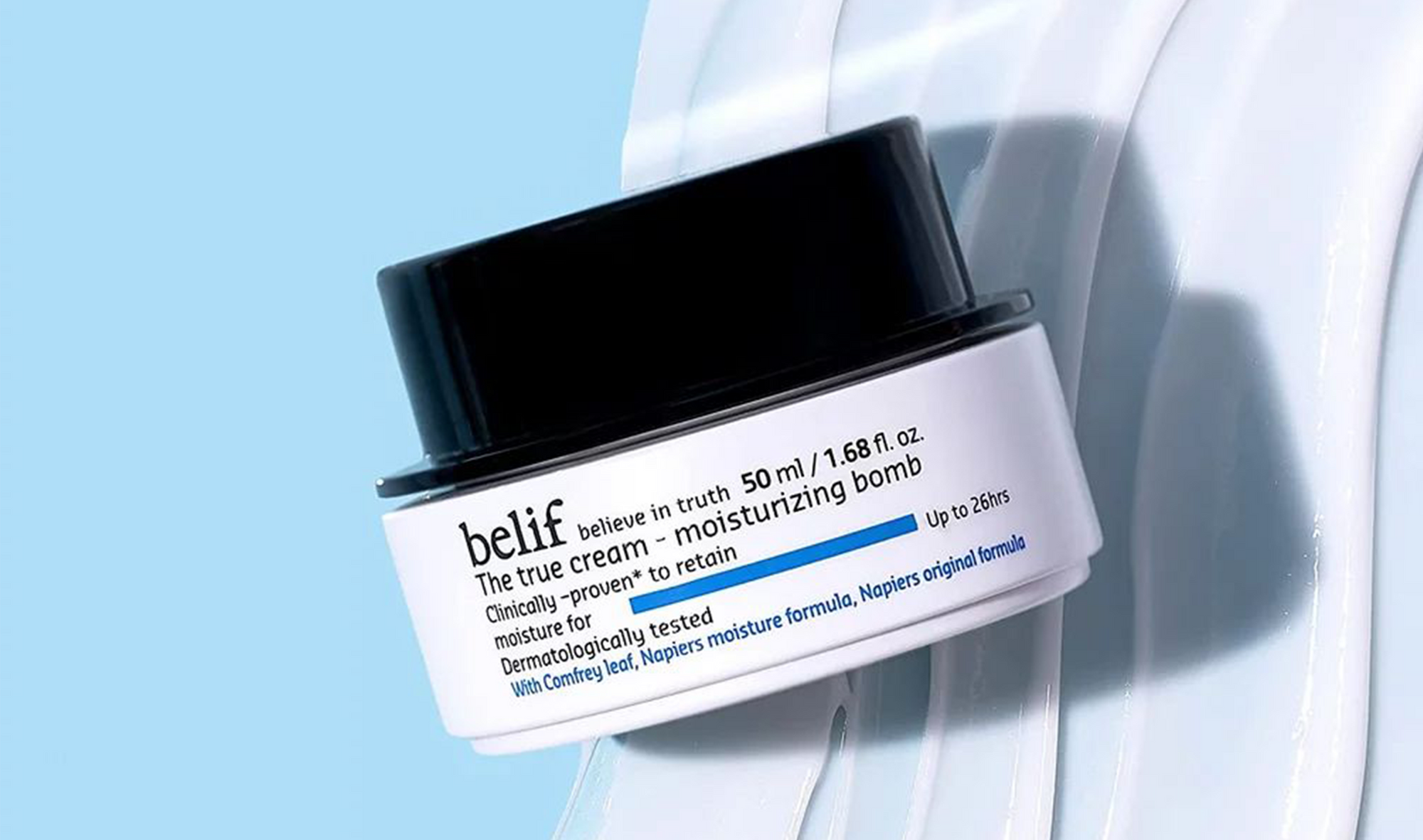
The True Cream Moisturizing Bomb
For 48-hour deep moisturization
Choose your option
Q&A
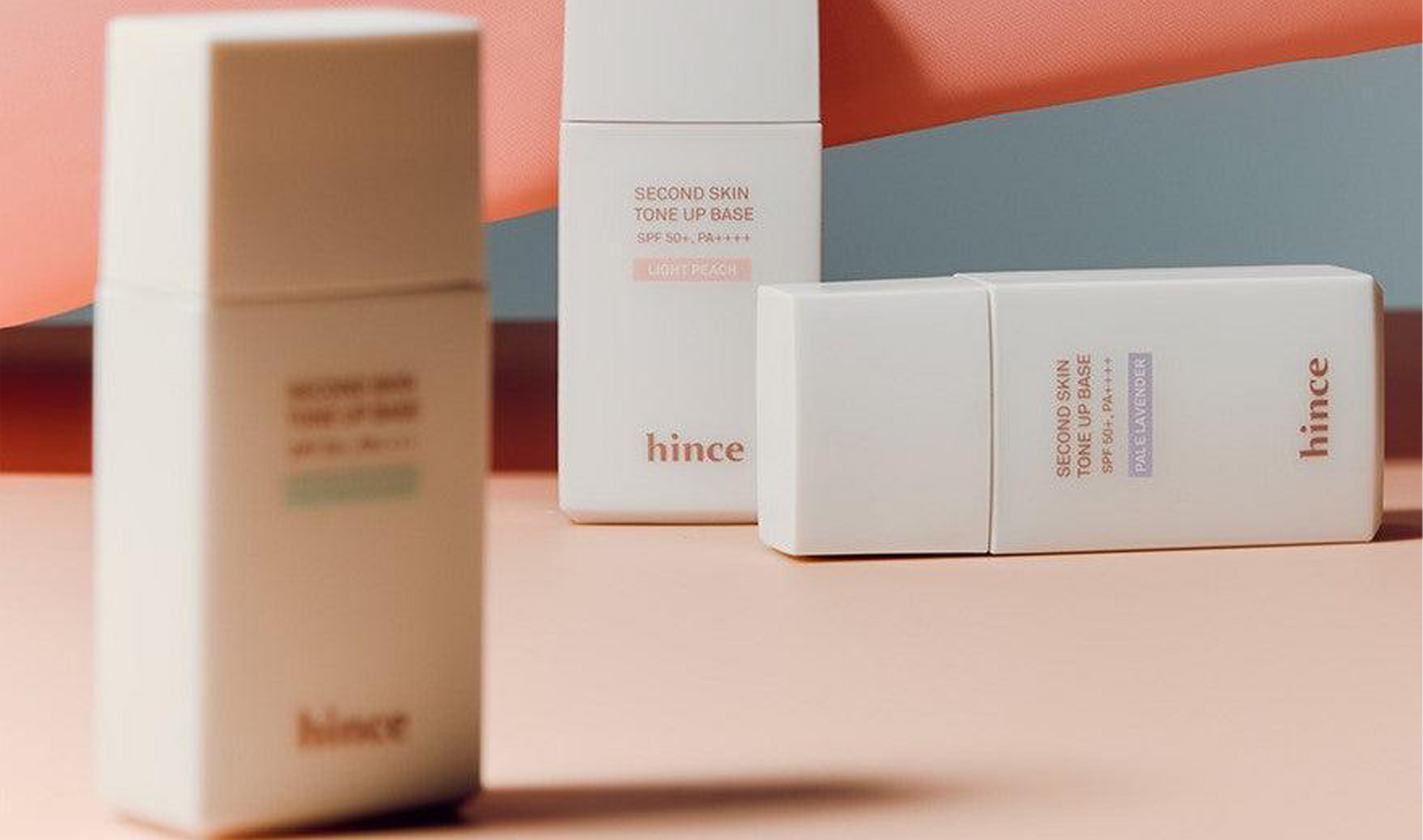
Do tone-up bases work if you have texture?
Do tone-up bases work if you have texture?
They can — if they’re thin, hydrating, and you apply sparingly. Thick tone-up formulas can cling to dry patches and make texture more obvious.


